Stopping the Winter Revenue Leak
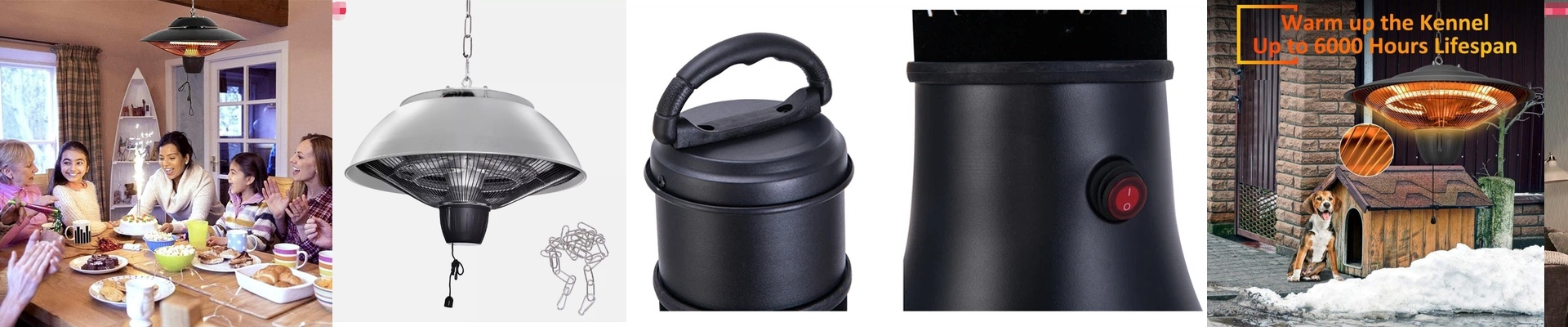
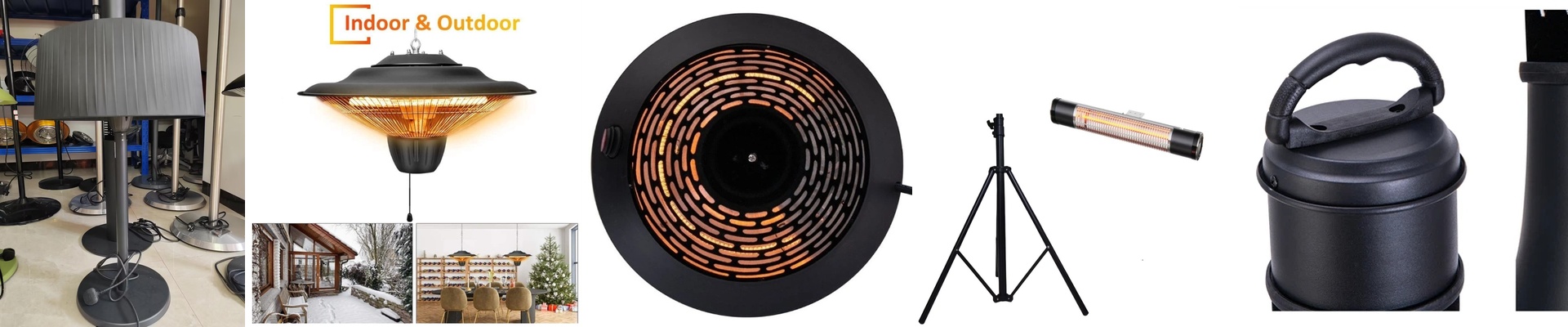
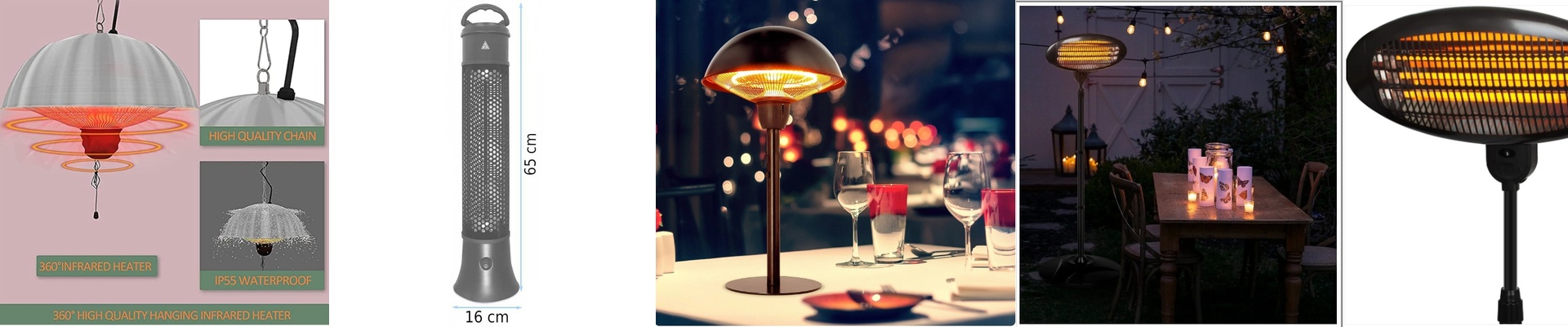
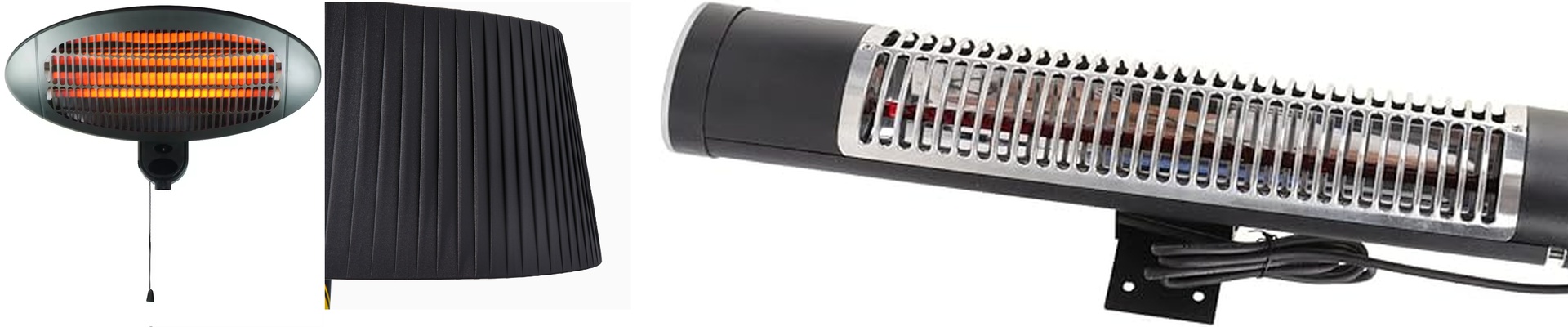
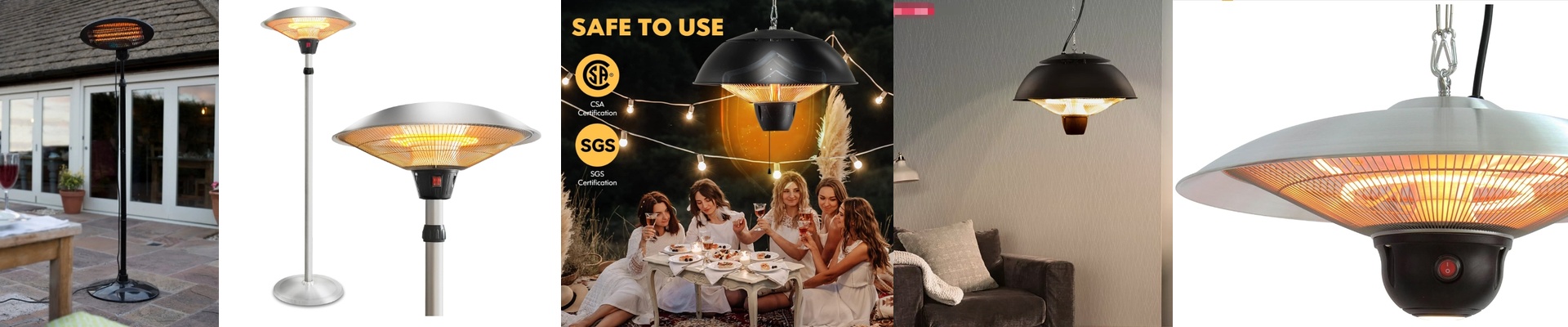
Let’s be honest: the second the temperature dips, your outdoor seating becomes a ghost town. It’s a frustrating way to lose money. To keep those tables full, you can’t just “warm up the air.” The wind will just carry it away. You need heat that hits your guests the moment they sit down. That’s why we use shortwave infrared. Instead of fighting the breeze, it beams heat directly onto people. It feels like sitting in the sun on a crisp October day. The “Rain” Problem Putting heaters outside means they’re going to get hit with rain, snow, and the occasional splash. That’s why we only use units with an IPX4 rating. Basically, it means the guts of the heater are sealed tight. Without that protection, a little bit of moisture gets inside, things short out, and your investment is toast. With IPX4, you can tuck them under your awnings or eaves and stop worrying every time a cloud rolls in. Warm Guests Spend More It’s simple psychology. If a customer is shivering, they’re looking at the exit. They’ll eat their main course and bolt. But when you create a “heat zone”—a pocket of actual warmth right over the table—everything changes. People relax. They linger. And when they linger, they order that extra round of drinks, the dessert menu, and a couple of coffees. It turns a quick meal into a real experience. The Practical Stuff One heads-up: these aren’t “plug-and-play” lamps. These units pull a lot of power. If you try to plug them into a standard outlet, you’re going to trip a breaker right in the middle of the Friday night rush. You’ll need to check your electrical panel and probably run some dedicated circuits. It takes a bit of wiring and some sturdy conduit to keep the cables safe from the weather, but once it’s done? It’s a permanent fix. You stop guessing if the patio will be usable and just start filling the seats.