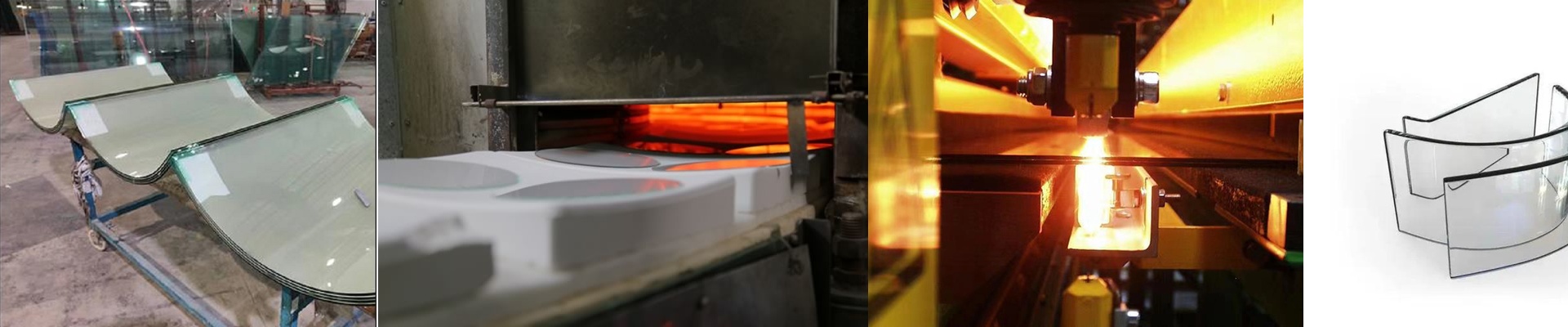
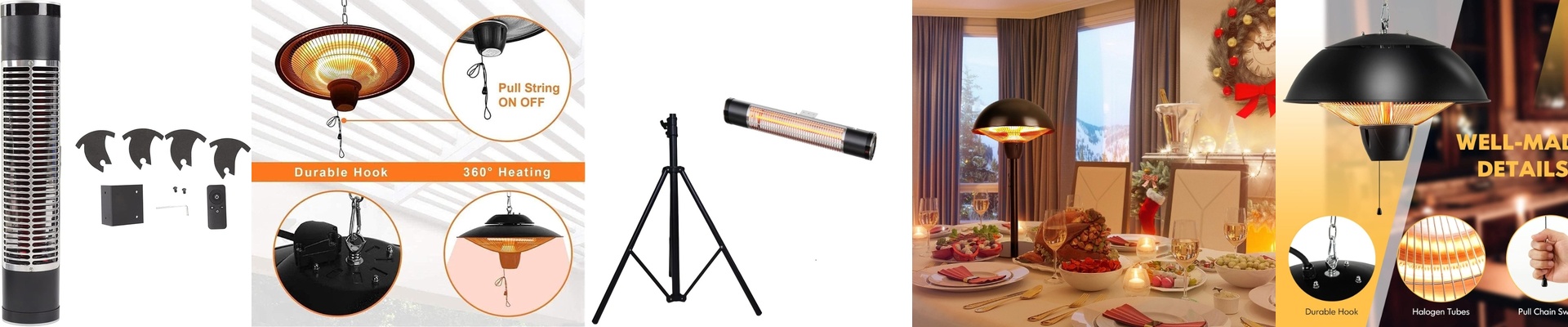
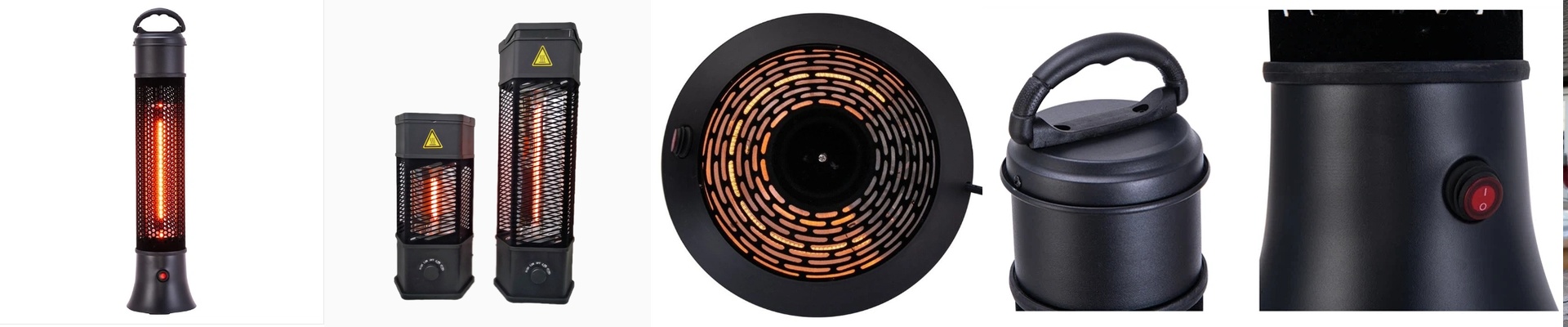
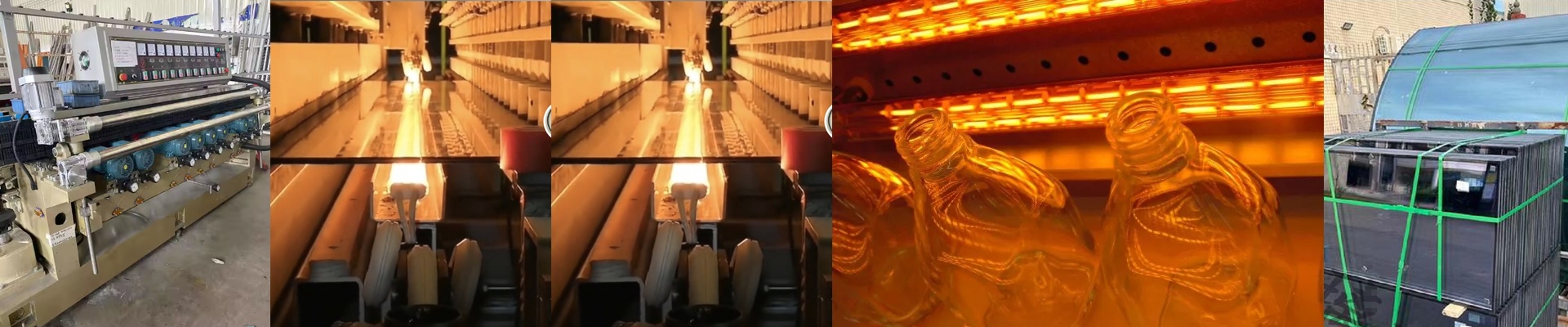

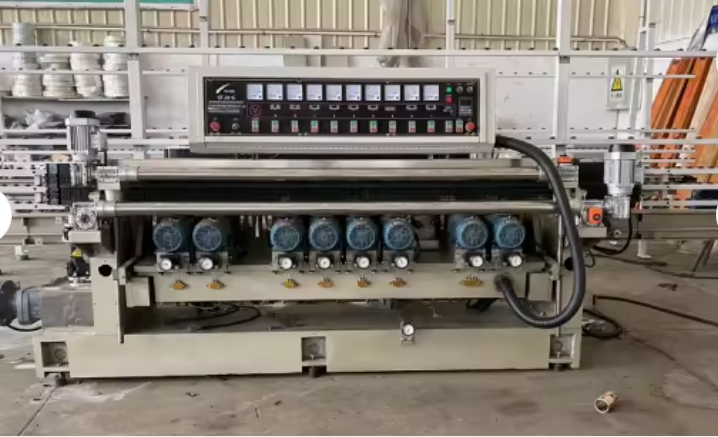
On the insulating glass line, the sealant cure window is tight. If the heater can’t hit stable, uniform heat quickly, you end up with slow cycles, adhesion risk, and scrapped units. We built our double glazing sealant heater to run that window with repeatable control, so the line keeps moving and the energy meter stops climbing. The heart of it is medium-wave infrared, tuned to the sealant profile. It penetrates fast, heats the bond line directly, and doesn’t waste energy on frame mass or air. We match standard voltages and footprints, and the element layout lays down an even thermal field that cuts down hot spots and cold edges—two common drivers of thermal stress in glass during sealing. The controls interface cleanly with existing IG machines, so setpoints translate into consistent cure, no operator guesswork. This heater earns its keep where it matters: throughput and cost. High-power heating chews energy fast. Our design cuts idle and ramp losses, holds temperature within a tight tolerance, and shortens dwell time without overcooking the edge. The payoff is fewer reworks, stable adhesion, and lower kWh per panel. units have run thousands of cycles with minimal output drift, and the modular build makes replacement quick, so downtime stays short. Installation is straightforward, but alignment is not optional. The heater has to sit parallel to the sealant path to keep the thermal field uniform; otherwise, you’ll get uneven cure and glass warp. Check emissivity on coated glass—low-E surfaces reflect IR, so you may need to adjust the setpoint. Expect a short warm-up before stable curing kicks in, and manage airflow so convection doesn’t cool the bond line. Treat it like a calibrated tool, not just a heat source.