Keeping Things Safe When Heat Meets Humidity
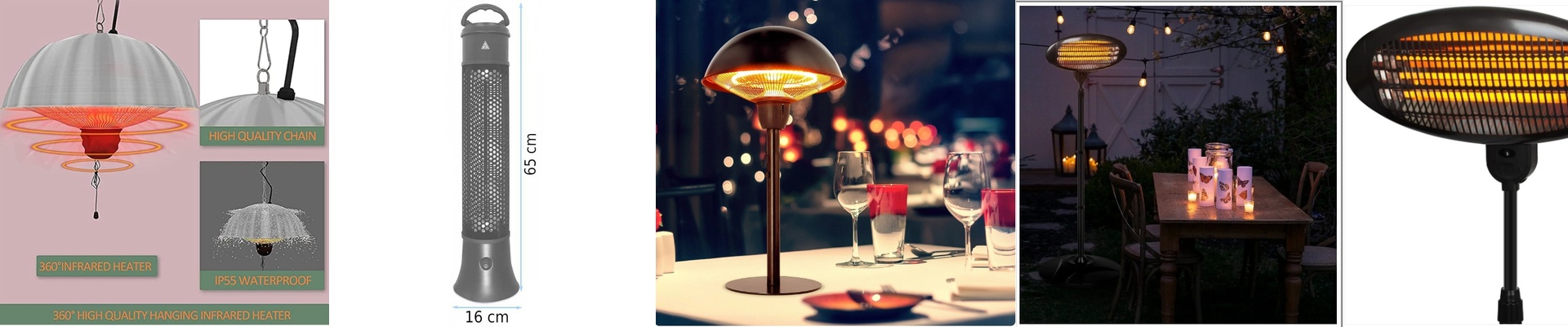
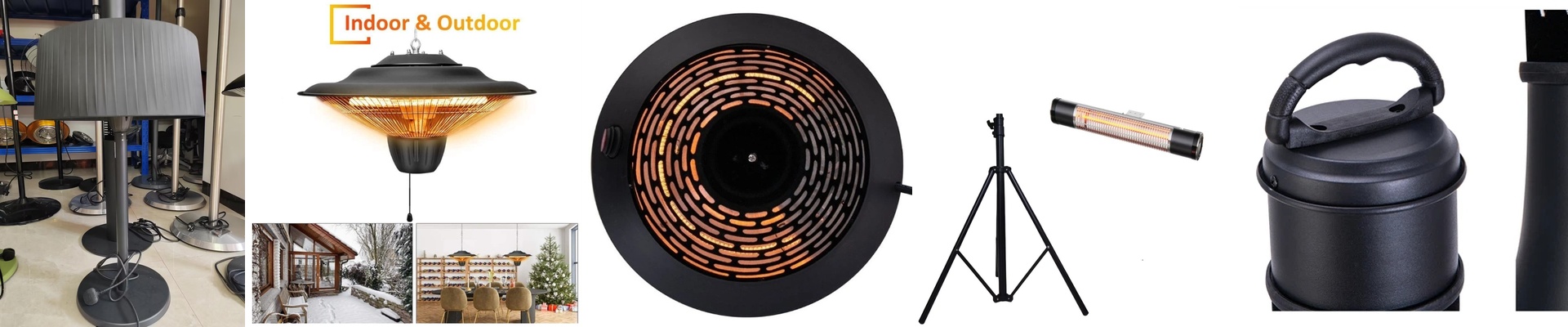
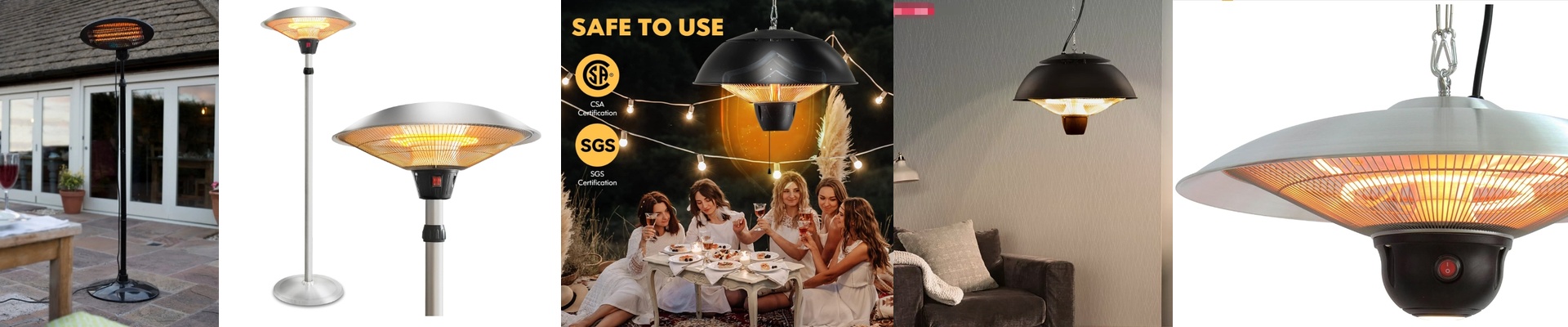
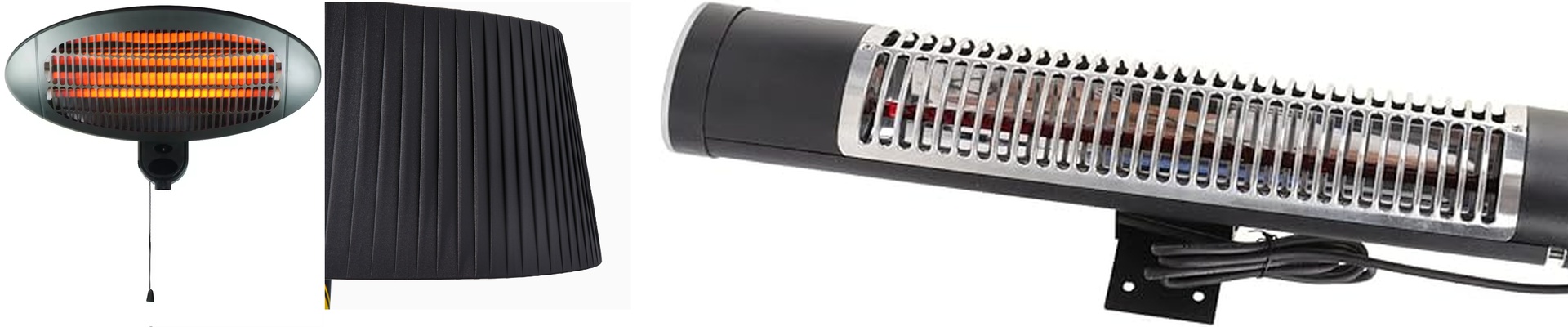
Let’s be honest: putting infrared lamps in a bathroom or anywhere with a lot of steam is a bit like playing with fire—or in this case, electricity. When water vapor sneaks into a housing, it creates a path for electricity to go where it definitely shouldn’t. That’s why we build our heating tables to hit the IP44 standard. It’s basically our way of making sure the heating element and the metal frame stay far apart.
The IP44 Shield
So, what does IP44 actually mean for you? It means the unit is tough enough to keep out anything larger than 1mm and can handle water splashes coming from any direction. We use silicone gaskets and sealed cable entries to lock out the moisture. It’s all about keeping those electrical junctions bone-dry. But the real secret is in the materials. We use high-temperature ceramic insulators to keep the heating filament away from the metal frame. Ceramics are great because they don’t fall apart or degrade just because there’s steam in the air. When you’re using this in a bathroom, those seals stop tiny droplets from bridging the gap between the live power and the outer shell.
No Surprises, Just Safety
We don’t like to gamble with safety, so we added a redundant grounding system. Every single metal part is bonded to a common ground. Here’s why that matters: if a seal ever fails, the current trips the breaker immediately. You get a clicked switch and a dead machine, rather than a table surface that’s suddenly electrified. Then there are the lamps. We use quartz glass, which is a fantastic insulator, but the end-caps can be a bit finicky. To fix that, we beefed up the seals at the lamp sockets. It prevents “tracking,” which is just a fancy way of saying we stop moisture from creating a carbon path across the insulator.
The Trade-offs
Look, waterproofing isn’t magic; it comes with a few catches. Adding all those seals and enclosures makes the table a bit bulkier. It takes up more room. And since we have to use protective guards for safety, you lose a tiny bit of that direct heat. Plus, there’s a balancing act. We have to make the seals tight enough to keep water out, but leave just enough room for passive ventilation. If we sealed it too tight, the internal electronics would basically cook themselves.