


Step into a spa after a long day and the air should feel immediately welcoming—warm, yes, but more importantly, soothing. In a commercial therapy space, comfort isn’t the whole job. The heat has to actively support the treatment. When infrared heating lamps are spec’d for this, they turn warmth into part of the service itself—helping circulation and easing muscles without turning the room into a hotbox.
What matters, technically
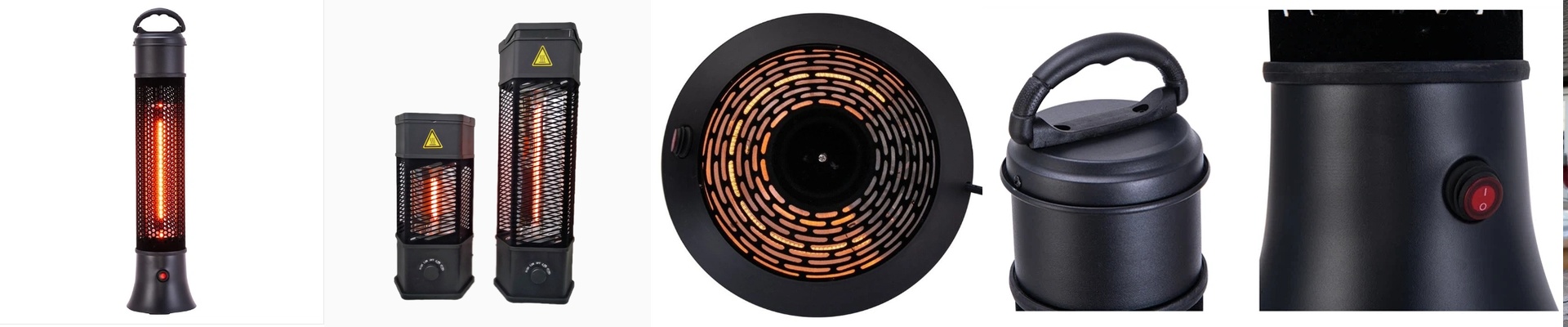
In spa and salon settings, infrared heating lamps usually lean on short-wave or medium-wave quartz technology. The heat is radiant, meaning it travels directly to people and surfaces instead of wasting energy warming the air. A common setup is a 240V, 2000W short-wave lamp in a compact, adjustable fixture. You get fast heat-up, tight directional control, and a steady, draft-free warmth that keeps the environment comfortable. For safety and control, commercial units often include an integrated thermostat, protective guards, and IP-rated construction to handle the humidity that’s standard in treatment rooms.
Why this approach fits
In a therapy room, the comfort has to be consistent—and quiet. Infrared lamps deliver a gentle, even warmth that helps clients settle in faster, which can improve how a treatment lands and shorten recovery time between sessions. Because the heat is radiant, the air stays less stuffy, and the room feels stable even when doors open and close. For the operator, that means predictable operating costs, fewer temperature swings, and equipment that can handle long shifts without cycling constantly.
The practical details you can’t skip
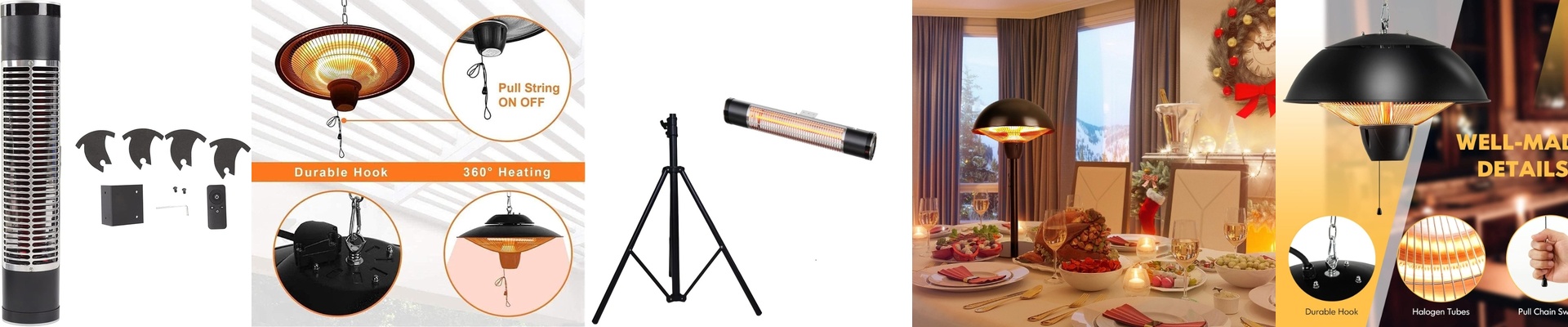
Infrared heating lamps perform best when they’re matched to the room size and the treatment layout. They need dedicated electrical circuits, and in most commercial situations, professional installation to meet safety standards. Heat is directional, so positioning matters—aim fixtures to cover the treatment area without creating hot spots. Plan clearance around each lamp, and keep reflectors clean. Even a thin film of product buildup can noticeably cut output.