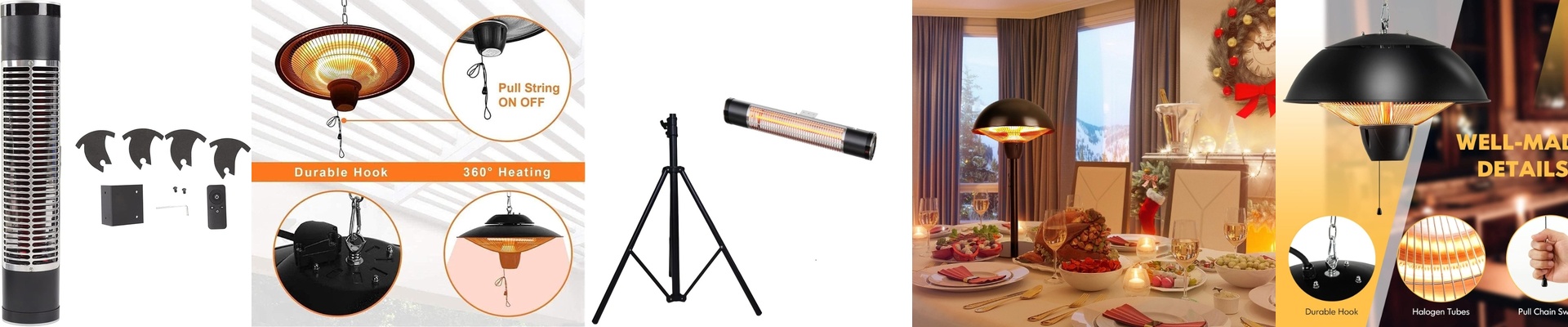
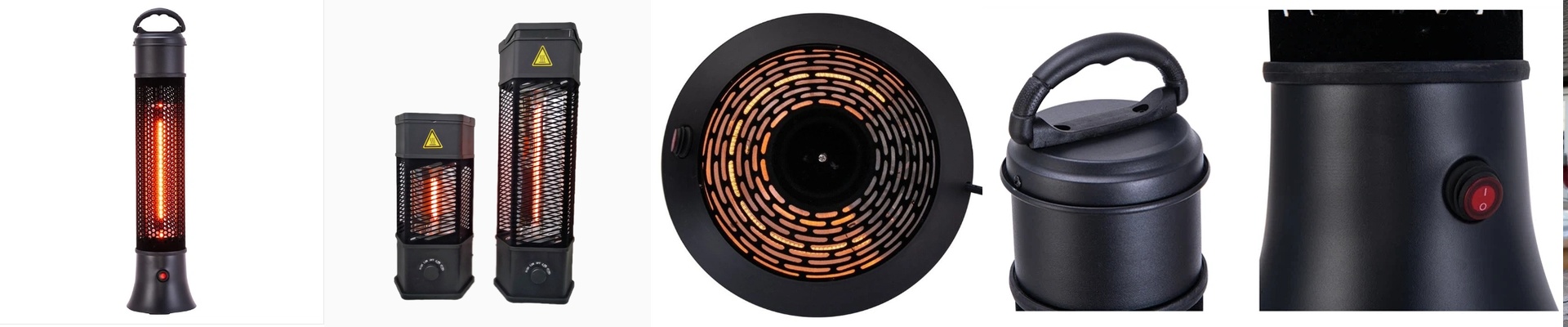
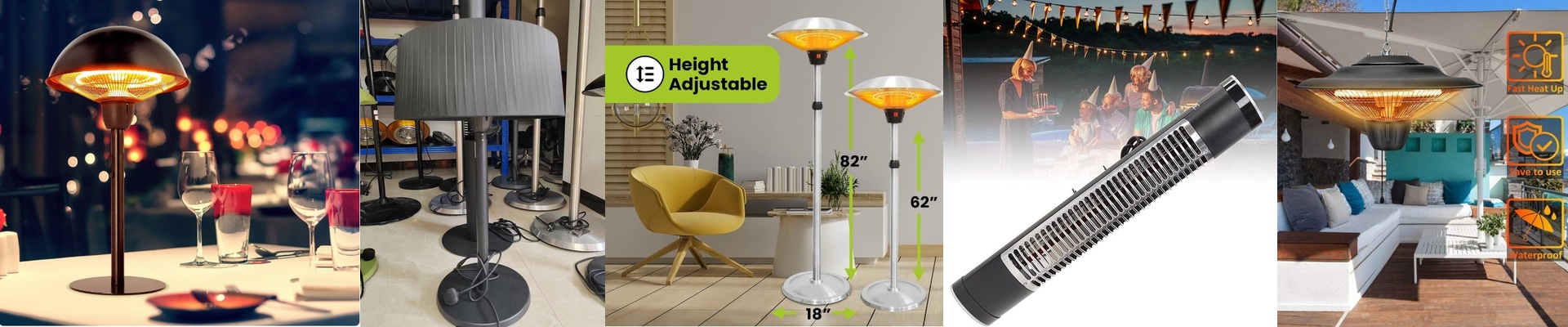

Winter evenings on the patio shouldn’t leave you staring at a shocking energy bill. When the air turns crisp, you want warmth that hits fast and costs less to run. So can an infrared heater actually be efficient? With the right design, yes—and the proof is in the numbers. Here’s what matters technically. A flame-effect infrared heater delivers radiant heat straight to people and surfaces, not to the air around them. Inside, a quartz tube or carbon fiber element throws short-wave infrared warmth—think sun-like, but without the glare. The heat is focused and directional, so you feel the comfort within seconds of flipping the switch. Add a thermostat and efficient reflector geometry, and you cut waste because you’re not heating empty space. In practice, that can trim electricity use by around 30% compared with conventional convection heaters of similar output. Outdoors, drafts make forced-air feel like a gamble. Infrared changes the feel of the space immediately, carving a cozy zone right where you gather. The flame-effect adds ambiance without the upkeep or emissions of a gas flame, and the unit runs quietly. From the budget side, that targeted heat means you run the heater for shorter stretches, and the 30% reduction in energy use shows up as lower monthly bills—often enough to pay for the heater over a single season, depending on usage. Placement matters. For best coverage, mount the unit 7–9 feet high and angle it to avoid direct glare. Most electric infrared heaters plug into a standard outlet, but with higher-wattage models, a dedicated circuit is the safe way to go. Expect slightly slower warming of distant objects compared with convection, and keep in mind performance dips in very strong wind, which can cool the front glass. Choose a model with an IP rating suited to outdoor exposure and built-in tip-over protection for peace of mind.