
Basements are cold for a reason. Concrete and masonry soak up heat and hold onto the chill, and forced-air systems tend to deliver drafts and uneven warmth. Try to crank the heat to fix it fast, and the air dries out—skin gets tight, sinuses get irritated.
What actually matters under the hood
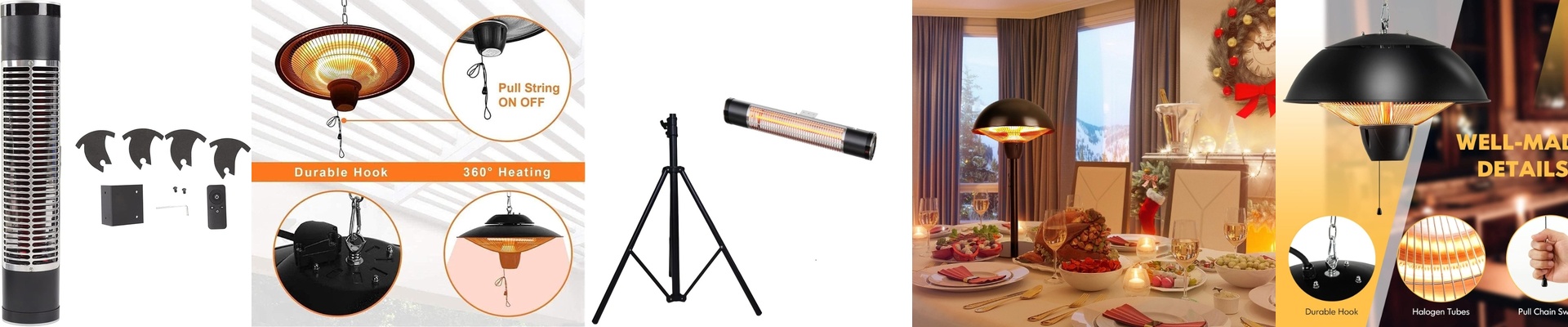
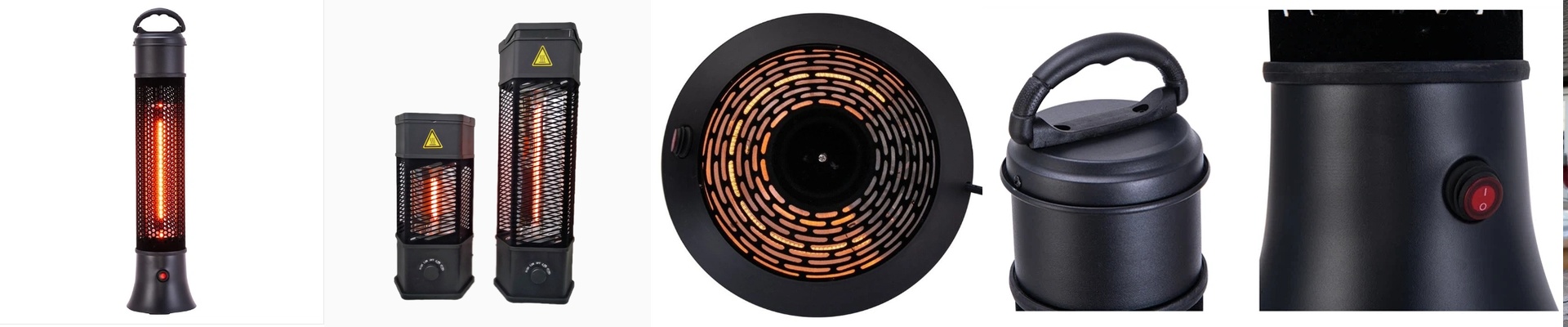
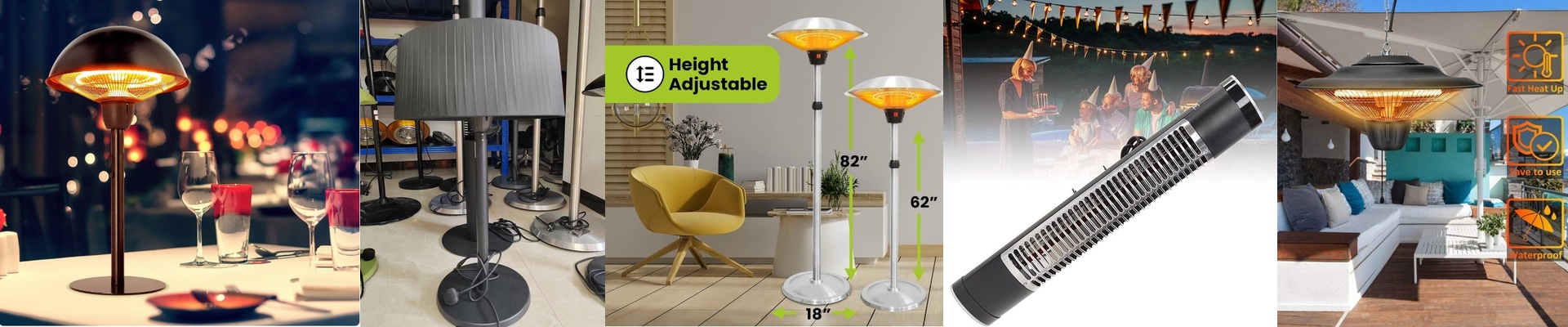
We build basement electric heaters around radiant infrared technology. It doesn’t heat the air first. Instead, the heater emits infrared energy that travels in straight lines and warms people, floors, and stored items directly—think of it like the sun on a clear day. You feel the warmth within seconds, and the air stays more stable. The heating element is a carbon fiber array, chosen for even output and long life. It runs quiet—no fan noise—and the unit stays compact so you can place it right where you need the heat. Controls are straightforward: an adjustable thermostat keeps your comfort level steady, and tip-over protection gives you a practical safety baseline.
Why this approach fits basements
In a basement, you want steady comfort, not a constant chase after temperature swings. Radiant heat cuts down on drafts because it isn’t pushing air around, and that helps keep relative humidity more balanced. You still manage humidity with proper ventilation, but the heater itself isn’t constantly stripping moisture from the air. That matters when the space doubles as a workshop, media room, or play area. You get warmth where you stand, without hot and cold spots. Energy use stays focused on what actually feels warm—objects and people—so you’re not spending to heat air that leaks out through cracks.
The practical details—what to watch for
Infrared basement heaters do their best work when the path to the target is clear. Furniture, shelves, or stored items can cast “shadows” where warmth doesn’t reach, so placement matters. Plan on a dedicated 120V outlet on a suitable circuit, and keep the unit at least three feet from combustible materials for safe operation. If your basement is unusually damp, pick a heater with electrical protection suited to the environment and confirm local code requirements. The trade-off is straightforward: you get direct, comfortable warmth with less of that dry-air discomfort, but you still need to match the heater to the room’s layout and moisture conditions.