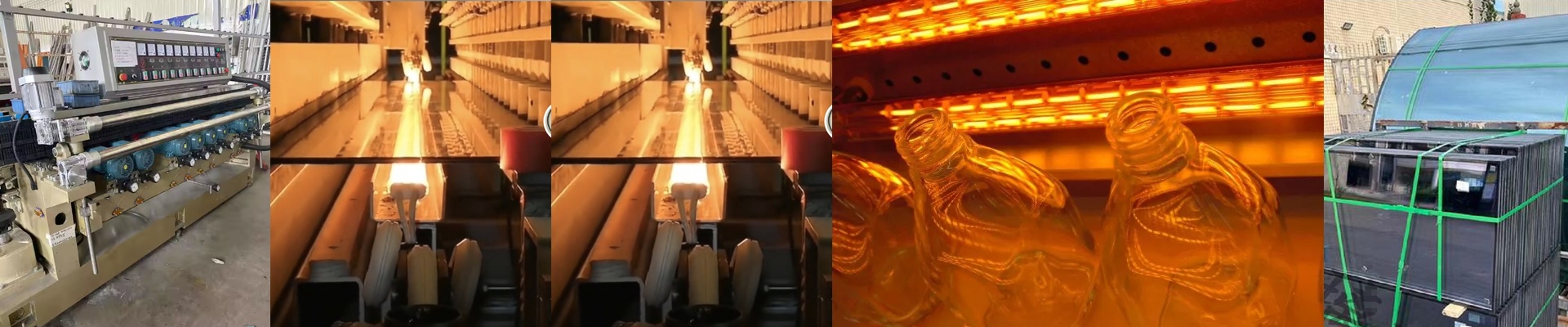
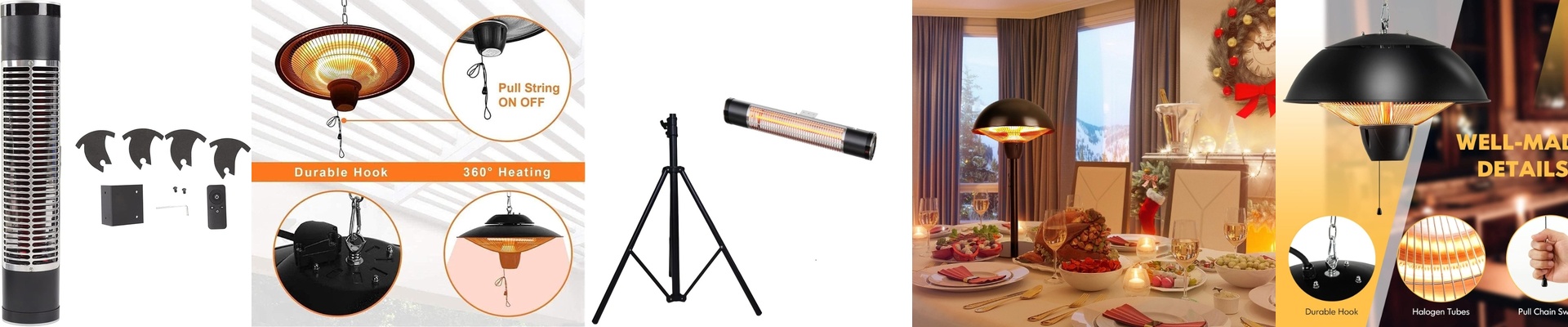
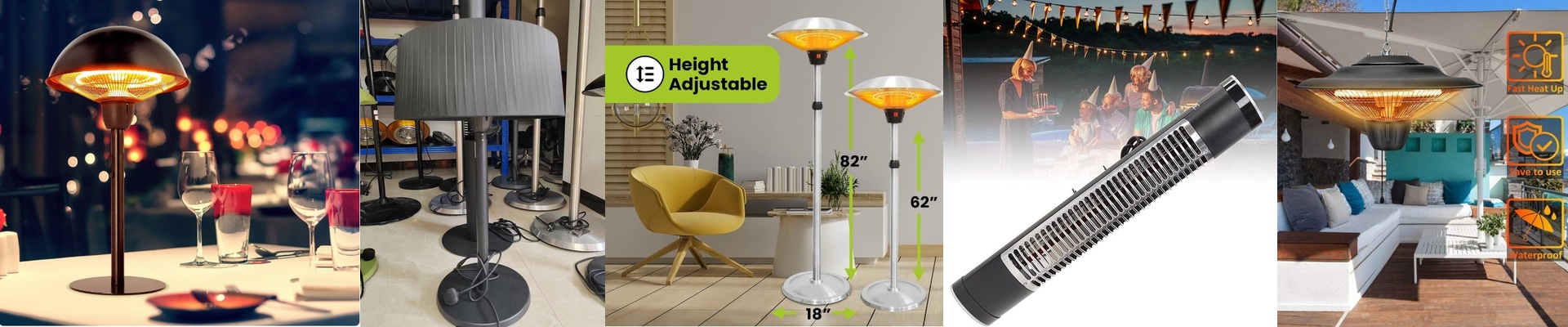
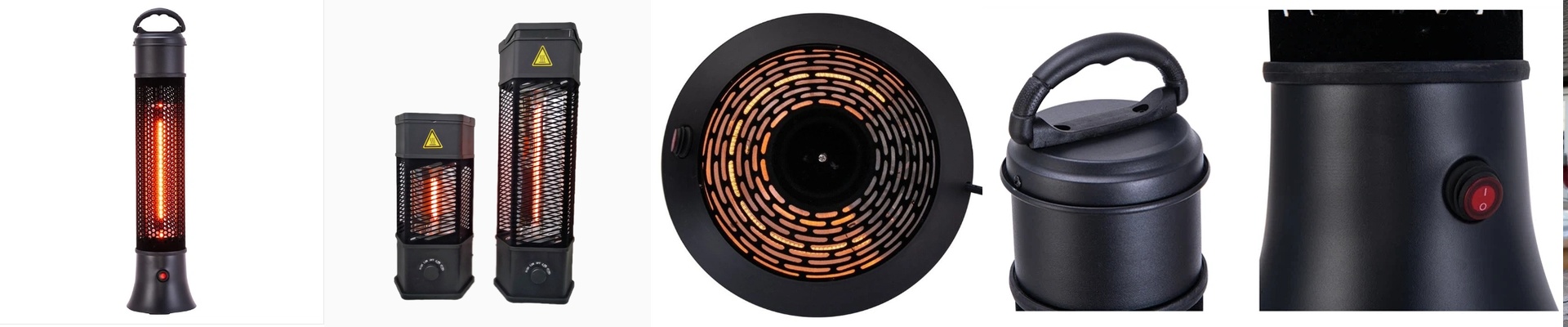
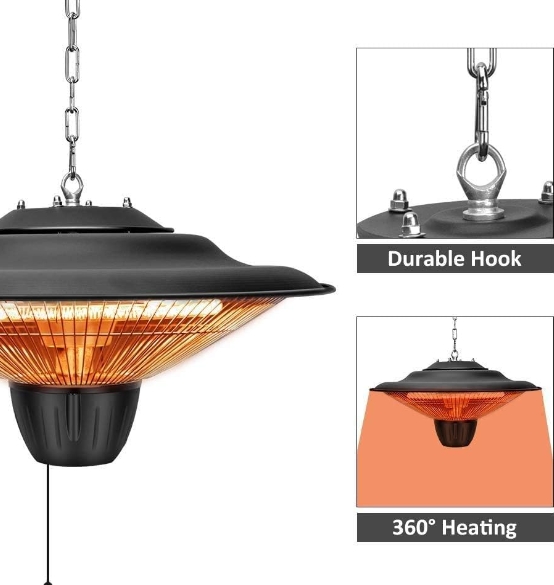
Energy prices keep climbing, and that nightly chill on the patio doesn’t care about your budget. You want warmth—without the shock at the end of the month. An umbrella heater built around infrared technology changes the equation. It delivers targeted heat where you need it, when you need it. Here is the thing that matters technically: we use a carbon fiber infrared element that converts electricity directly into radiant heat. Warmth travels outward like sunlight—warming people and surfaces first, not the air. The result is immediate comfort with minimal waste. Most units run at 1.5 kW to 2.0 kW, drawing standard 120 V household power, and many include a built-in thermostat for steady output. The heater head sits compactly under an umbrella pole, keeping the radiant field focused on the seating area. For outdoor use, look for an IP rating that protects against rain and dust, plus safety extras like tip-over protection and a cool-touch outer frame. Why does this work so well when energy costs are under pressure? Because an umbrella heater heats the space you actually occupy. Instead of pushing heat into a big, drafty yard, infrared warmth delivers a cozy pocket around the table. That focus translates into lower energy use compared with heating entire rooms or patios with convection heaters. You feel the heat within seconds, so you can extend evenings without running the system longer than necessary. For families, that means more time outside—reading, eating, and talking—without the nagging worry that the heater is quietly inflating the bill. Placement matters. Keep the heater centered over the seating area, and maintain the clearance distance recommended in the manual to avoid overheating nearby objects. Most umbrella heaters are designed for outdoor use, but they still need a grounded outlet and should be protected from direct, heavy rain. In very windy conditions, radiant efficiency drops, so positioning the umbrella to break the wind helps. If you want consistent comfort, choose a model with an adjustable thermostat. And remember: the best results come when the heater complements—rather than replaces—good shelter and smart layout.