



A cold garage in winter doesn’t just make you uncomfortable—it makes you slow. Hands go stiff, tools feel clumsy, and the work just stalls out. Electric oil-filled radiators can warm the air, sure, but they tend to run a long time, pull a lot of amps, and you end up watching the meter climb.
What matters under the hood
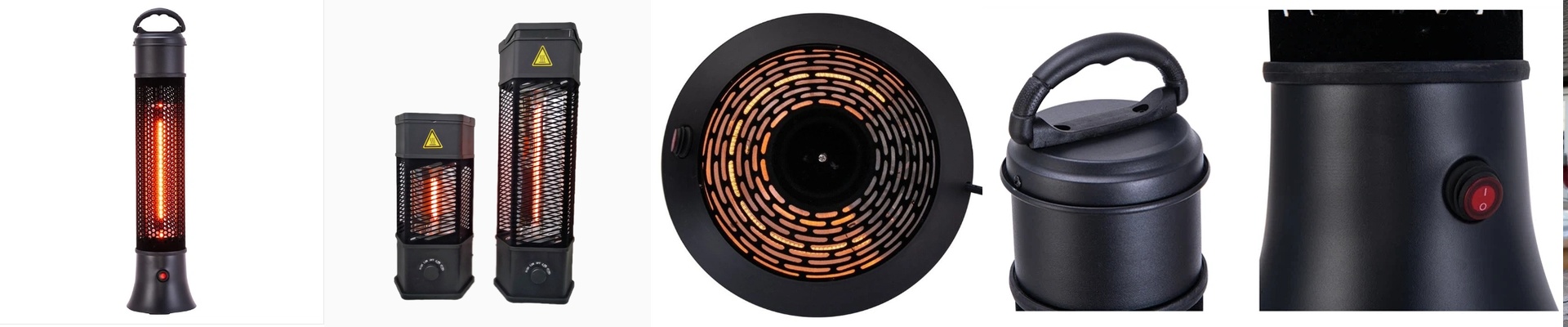
We built this garage heater around short-wave infrared quartz tubes. The heat is radiant, so it travels through the air without having to warm the air first. You get direct warmth where you stand, not just a higher ambient reading. In practice, that means you feel comfortable at lower air temperatures because your body is absorbing the infrared energy directly. Typical units run on 120V or 240V and put out 1.5–3.0 kW, and the carbon-fiber or quartz element comes up to temperature in seconds. A built-in thermostat keeps the space steady, while tip-over protection and an overheat cutoff take care of the basic safety stuff.
Why it fits a garage
In a garage, the payoff is efficiency you can actually measure. Compared with an electric oil-filled radiator of similar output, an infrared garage heater often delivers the same perceived warmth while using noticeably less energy. You get faster warm-up, less wasted heat rising toward the ceiling, and more consistent comfort right where you work—at the bench and around vehicles. That means shorter waits to get started, more stable hands, and lower running costs over a season—especially if you only heat while you’re actively working.
The details that make the difference
Infrared warmth is directional, so placement matters. Mount or position the heater to hit your main work zone, and keep a safe clearance from anything combustible. If you want more even comfort, a small oscillating fan can help mix the air without fighting the radiant effect. And before you choose, check your circuit capacity. A 240V model can cut down on current draw and improve performance on the days you’re running it hard.