

Why Your Bathroom Heater Keeps Blowing (And How to Fix It)
If you’re picking out heating elements for a bathroom or a patio, you’re probably thinking about how warm they get. But the real battle isn’t about the heat—it’s about the water. Here’s the problem: standard quartz tubes hate water. Imagine a tube running at 800°C. Now imagine a single, cold droplet of water hitting that surface.**Pop.**The glass cracks, the filament burns out, and you’re left with a dead heater. It happens in a heartbeat.
Dealing with the “Pop”
To stop that from happening, we use explosion-proof quartz. Now, this isn’t just some thicker piece of glass. It’s designed to handle those wild temperature swings. When a cold spray hits a hot lamp, the material just absorbs the stress. It doesn’t panic and shatter. Plus, we seal these units to IPX4 standards (or better). This is huge because it keeps moisture away from the electrical terminals. Without a proper seal, water can actually “creep” into the wiring through capillary action, and that’s a one-way ticket to a short circuit.
The Trade-offs
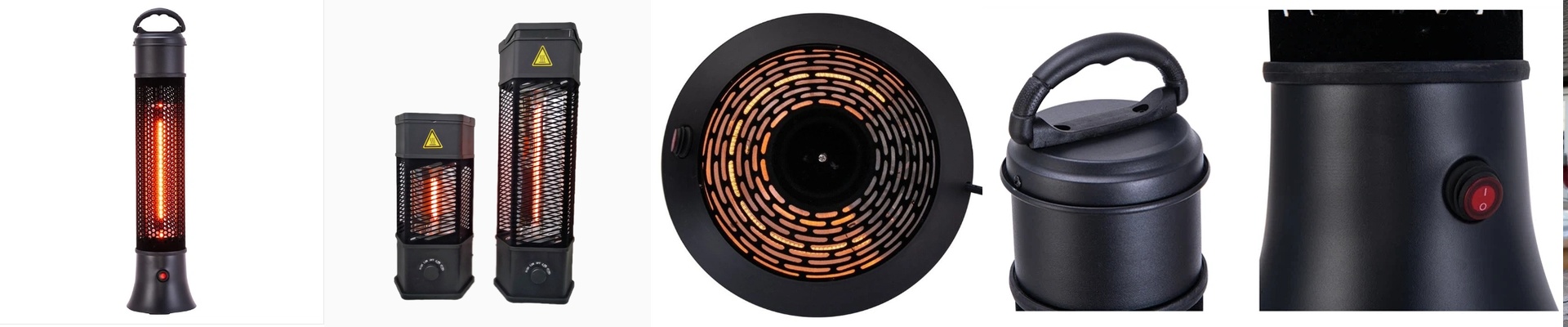
Most of these lamps use short-wave infrared. The best part? You feel the heat the second you flip the switch. No waiting around. But there’s a catch. Because they put out so much heat in such a small space, you have to be careful with the housing. If you jam a high-wattage tube into a tight plastic box without any airflow, you’re just going to melt your casing. Give the heat some room to breathe.
A Pro Tip for Installation
For most of you, these are just simple drop-in replacements. We use standard connectors so you aren’t fighting with the wiring. But here is the one thing that trips everyone up:don’t touch the glass. I mean it. Use gloves. Quartz is weirdly sensitive to the oils on your skin. If you leave a fingerprint on the tube, that oil creates a “hot spot.” Over time, that spot weakens the glass and causes the tube to fail—even with the explosion-proof rating. Keep it clean, keep it dry, and it’ll last.