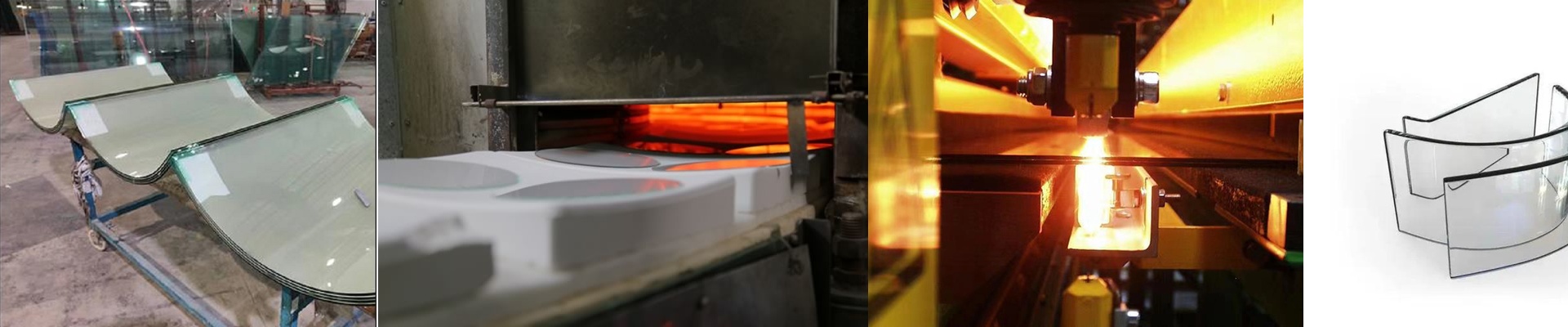
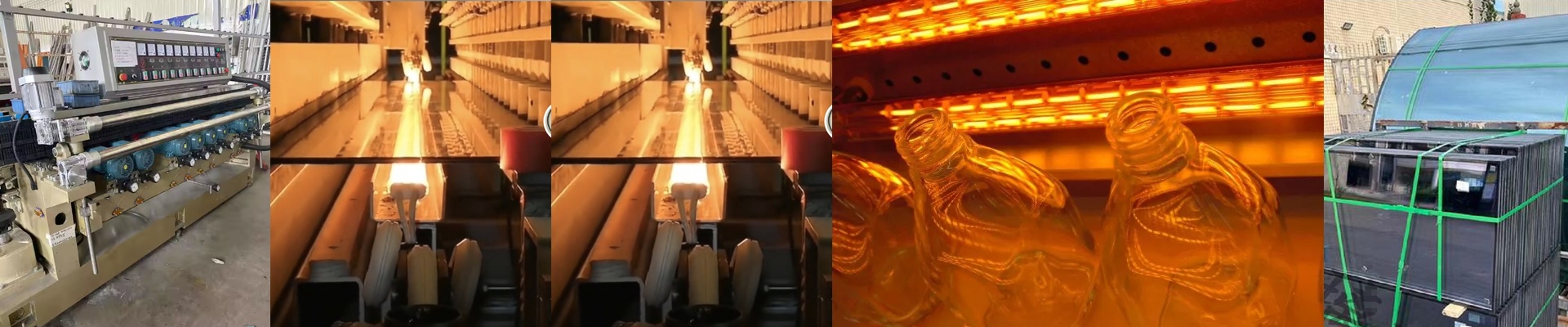
On the line, heat timing is fixed. If the warm-up crawls, it drags the whole tempering and lamination schedule with it. And if the thermal field isn’t uniform, you’ll see stress marks, optical distortion, or worse—cracks that don’t show up until inspection. When the heating element underperforms, scrap climbs and throughput falls. What matters, technically We run ruby glass infrared heating bulbs that deliver short-wave energy with high emissivity. They heat glass fast, without leaning on convection. The quartz envelope takes thermal shock in rapid-cycle ovens and holds stable output, even when you’re starting and stopping all day. They come in standard industrial voltages and common lamp-holder interfaces, so they drop into existing layouts with minimal rework. The wavelength is chosen to be absorbed efficiently by glass and coatings, so the surface heats directly—less lag between setpoint and what the glass is actually doing. Why it plays in real production On tempering lines, that quick response tightens the heating segment. You can run furnaces at higher line speeds without giving up surface quality. In EVA/SGP/PVB lamination, uniform heating across the stack keeps the polymer melt consistent edge to edge, so you don’t fight bubbles and voids. For insulating glass sealing, the focused heat makes the secondary seal cure more predictably, with fewer temperature swings that can leave you with uneven adhesion. And because heat is delivered on demand instead of wasted preheating air volumes, energy use drops. A few shop-floor notes These bulbs don’t like surface contamination—oils and residues can create hot spots and cut service life short. Keep the reflector clean, and make sure the lamp seats squarely in the socket. Uneven contact is a reliability killer. They run hot, too. Verify clearances and airflow around the element so you don’t cook nearby insulation or wiring. Treat replacement as preventive maintenance. Keep a spare on hand. That way, downtime is measured in minutes, not hours.
생산 라인에서 열 타이밍은 고정되어 있다. 예열 속도가 느려지면 템퍼링과 적층 공정 전체 일정에 영향을 끼친다. 열장이 균일하지 않으면 응력 자국, 광학 왜곡 또는 검수 시점에야 발견되는 균열 등이 발생할 수 있다. 히팅 소자가 제 성능을 내지 못하면 폐기물이 증가하고 생산량이 감소한다. 기술적으로 중요한 점 당사는 높은 방사율을 가진 단파 적외선 에너지를 방출하는 루비 유리 적외선 히팅 램프를 사용한다. 이 램프들은 대류에 의존하지 않고 유리를 빠르게 가열한다. 석영 엔벨로프는 빠른 사이클 오븐 내에서 열충격을 견디며, 장시간 가동 및 정지 반복 시에도 안정적인 출력 유지가 가능하다. 산업용 표준 전압과 일반적인 램프 소켓 인터페이스를 갖추고 있어, 기존 설비에 최소한의 개조로 설치할 수 있다. 파장은 유리와 코팅에 효율적으로 흡수되도록 선택되어, 표면을 직접 가열하여 설정값과 유리 실제 온도 간 지연이 줄어든다. 실제 생산 현장에서의 역할 템퍼링 라인에서는 빠른 반응 속도가 가열 구간의 조밀함을 높여, 표면 품질을 유지하면서도 더 높은 라인 속도로 가동할 수 있게 한다. EVA/SGP/PVB 적층 공정에서는 적층체 전체에 균일한 가열이 유지되어 폴리머 용융물이 가장자리까지 고르게 유지되어 기포와 빈 공간 문제를 줄일 수 있다. 단열 유리 씰링에서는 집중된 열이 2차 씰 경화를 더 예측 가능하게 하며, 온도 변동을 줄여 접착 불균일 현상을 완화한다. 또한, 필요 시점에만 열이 공급되고 불필요한 예열용 공기 가열이 줄어들어 에너지 소비가 감소한다. 현장 주의 사항 이 램프들은 표면 오염에 민감하다—유분이나 잔여물이 과열 지점을 만들고 수명을 단축시킨다. 반사판을 깨끗하게 유지하고 램프가 소켓에 정확히 장착되었는지 확인해야 한다. 불균등한 접촉은 신뢰성 저하의 원인이다. 또한 램프 자체가 고온으로 작동하므로, 히팅 요소 주변의 간격과 공기 흐름을 점검하여 인접 절연체나 배선을 손상시키지 않도록 해야 한다. 교체는 예방 정비 차원에서 관리한다. 예비 램프를 구비해 두면, 다운타임을 시간 단위가 아닌 분 단위로 줄일 수 있다.