Stop the Chipping: Why We Preheat Glass with Infrared
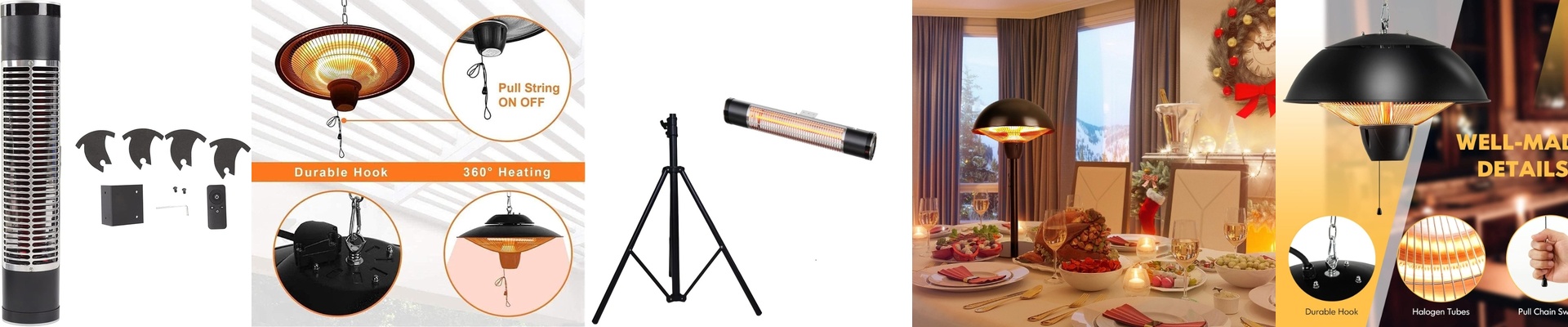
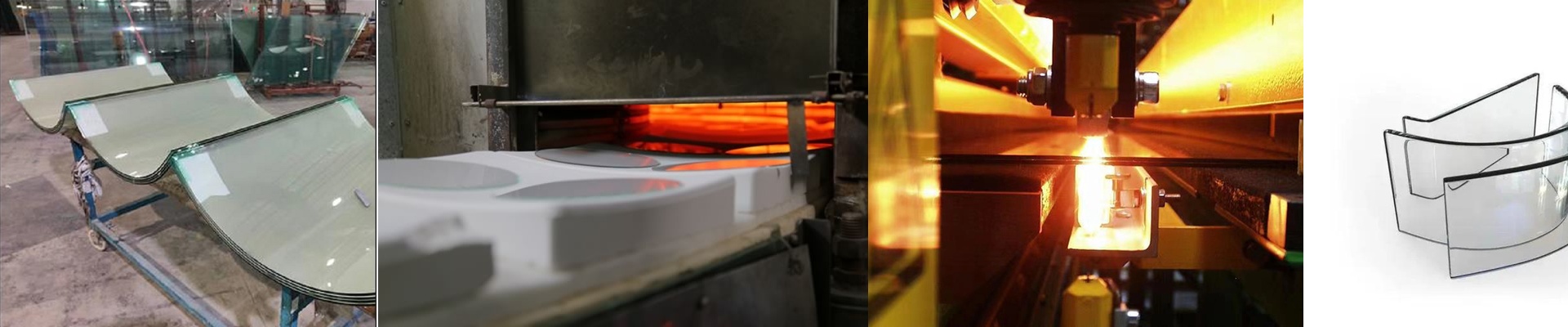
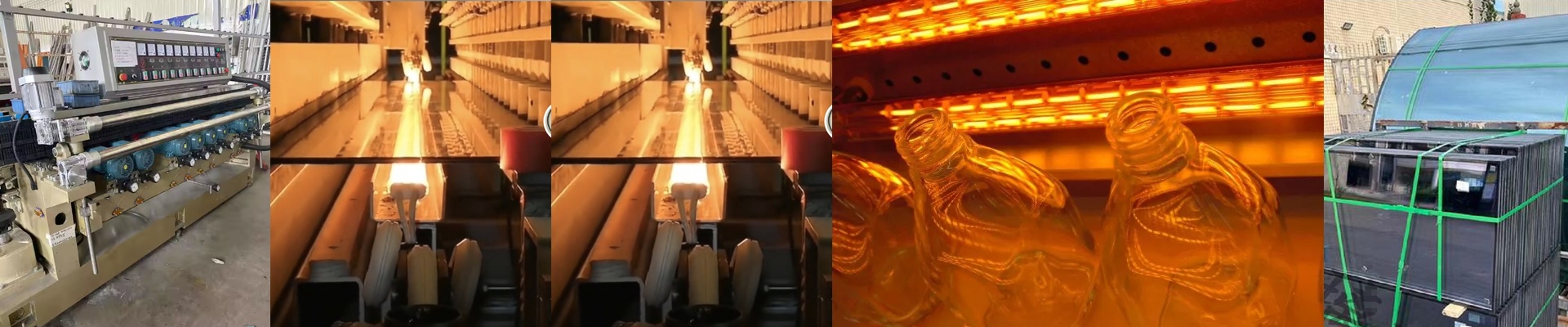
Cutting cold glass is basically a gamble. You score the surface, you apply pressure, and you pray the break follows the line. But when the glass is too cold, it gets stubborn. The fracture jumps the track, and suddenly you’re looking at those annoying chips or corner breakouts that ruin a perfectly good piece. We’ve found a way to stop that guesswork:Infrared (IR) preheating. Instead of fighting the material, we use IR lamps to warm the glass up before the blade ever touches it. Here is the secret: heat makes the glass a bit more “forgiving.” By hitting the substrate with radiant energy, we lower the surface tension and smooth out the internal friction. When the glass is warm, the crack travels in a straight, clean line. It just behaves. Now, you can’t just throw any lamp at the problem. Depending on how thick your glass is, we use either short-wave or medium-wave emitters. These things pack a lot of heat into a small space. But there’s a catch. You have to find the “sweet spot” between your lamp wattage and how fast your line is moving. If you crank the heat too high, you’ll actually create new stress points in the glass. Too low? You’re right back to square one with the chipping. To get it right, we usually set these up in zones. That way, you can tweak the heat across the width of the sheet until it’s just right. Just a heads-up on the practical side of things: these systems are power-hungry. Make sure your electrical panel can handle the peak current, or you’ll deal with voltage drops that make everything glitchy. And keep an eye on your cooling. These lamps put off a ton of ambient heat. If your fans aren’t up to the task, that heat will drift right into your cutting head electronics. That’s a recipe for sensor drift or, worse, fried components. Keep the glass warm, keep the electronics cool, and your edges will stay sharp.