Making Ultra-Thick Glass Cutting a Whole Lot Easier
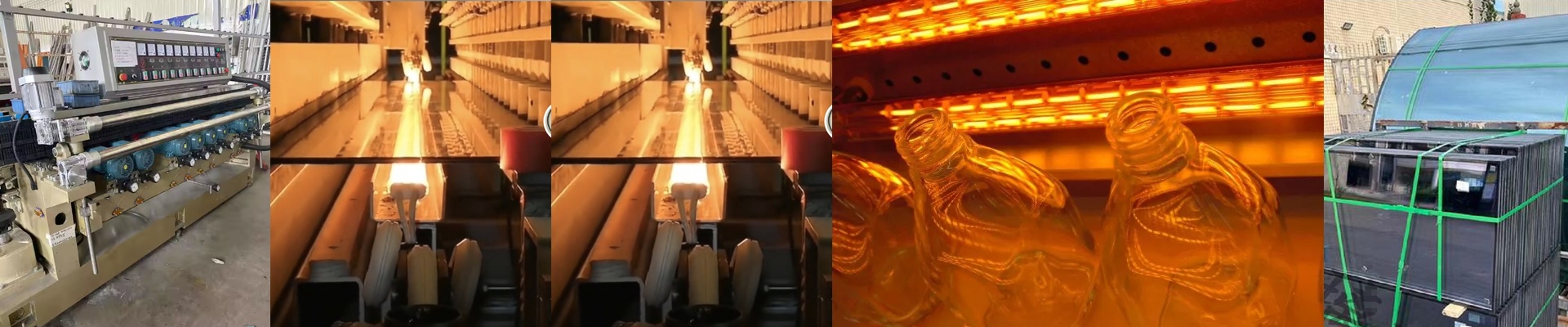
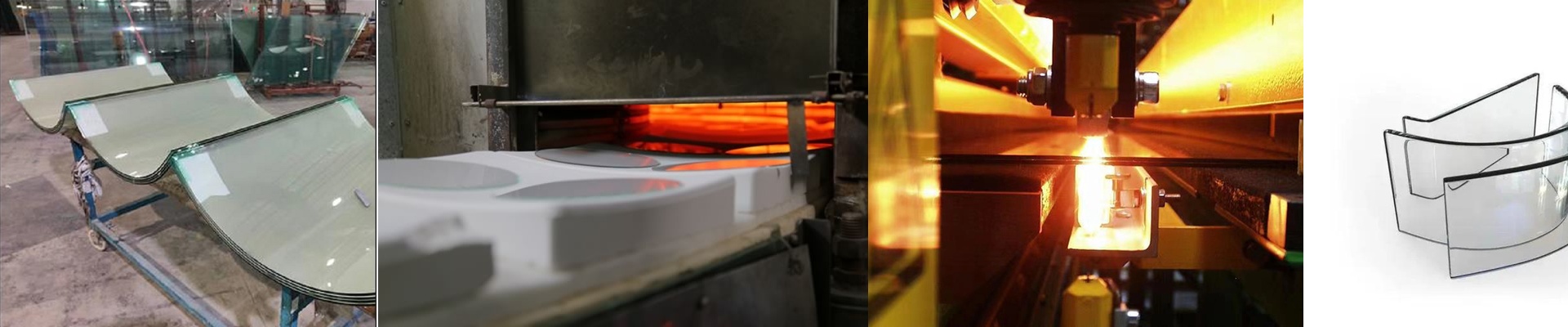
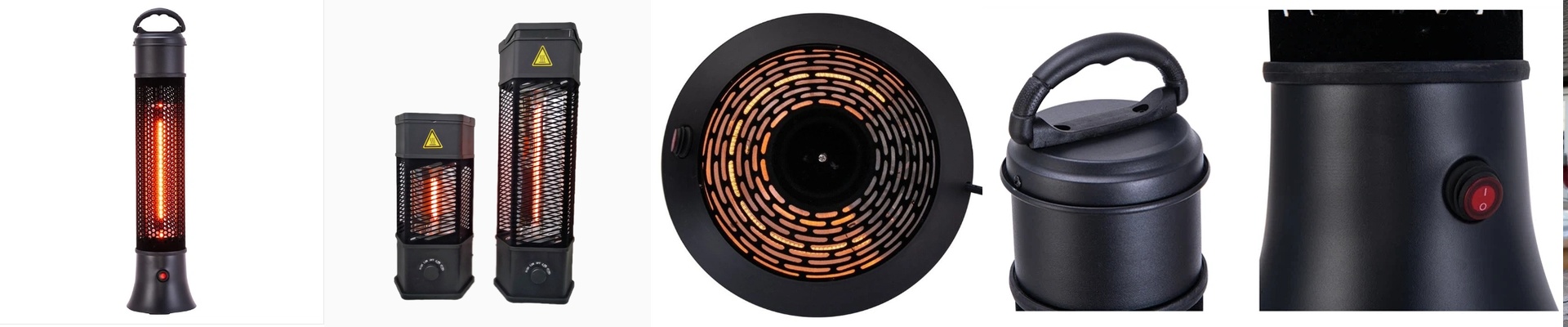
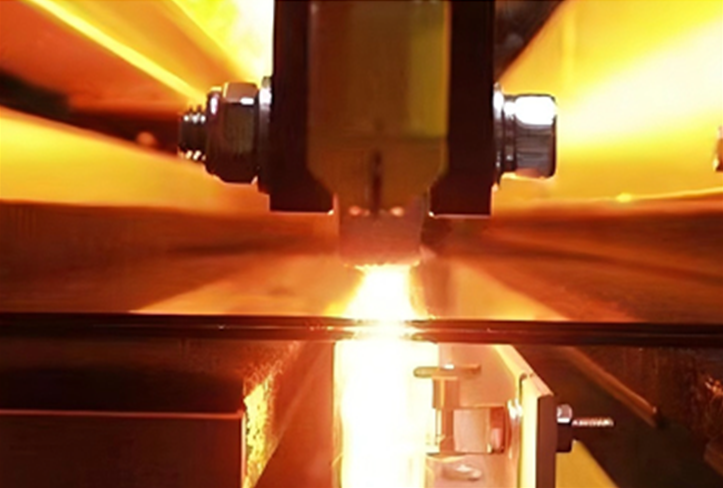
If you’ve ever tried cutting ultra-thick glass, you know the struggle. It’s brutal on the equipment. When that glass is cold and stiff, your cutting wheel takes a massive beating. You end up with chipped edges and a wheel that wears out way too fast. It’s frustrating, and frankly, it’s a waste of money. That’s why we started using high-penetration infrared (IR) heating lamps. We basically pre-heat the path right before the cut. It doesn’t melt the glass, but it shifts the material just enough so the wheel doesn’t have to fight so hard.
How the heat actually works
Here’s the thing: regular heaters usually don’t work on thick glass. The energy just bounces off the surface, leaving the core ice-cold. We use short-wave infrared emitters instead. These are designed to soak deep into the silica rather than just warming the top skin. By hitting the cutting line directly, the lamp creates a little “sweet spot” of heat. This loosens up the molecular bonds, and suddenly, the wheel just glides. Whether you’re using diamond or tungsten carbide, your edges stay sharp for much longer. It just feels smoother.
The tricky part
It isn’t just “plug and play,” though. You have to be careful with the setup. If the lamp is too close, you’re asking for trouble. You can get thermal shock or weird stress points, and that’s when the glass decides to crack in a direction you didn’t intend. You also have to get your conveyor speed exactly right. The glass needs to hit that perfect temperature the very second the wheel touches the surface. If the timing is off, you’re back to square one.
Why it’s worth the effort
Once you get the tuning right, the difference is night and day. You stop swapping out wheels every few shifts. Plus, it doesn’t matter if your glass thickness varies a bit—the process stays stable. Because you aren’t forcing the score, the whole machine vibrates less. Less noise, less stress on the frame, and way more usable plates at the end of the day. It just makes sense.