How We Built the Right-Sized Infrared Dryer for Glass Paint
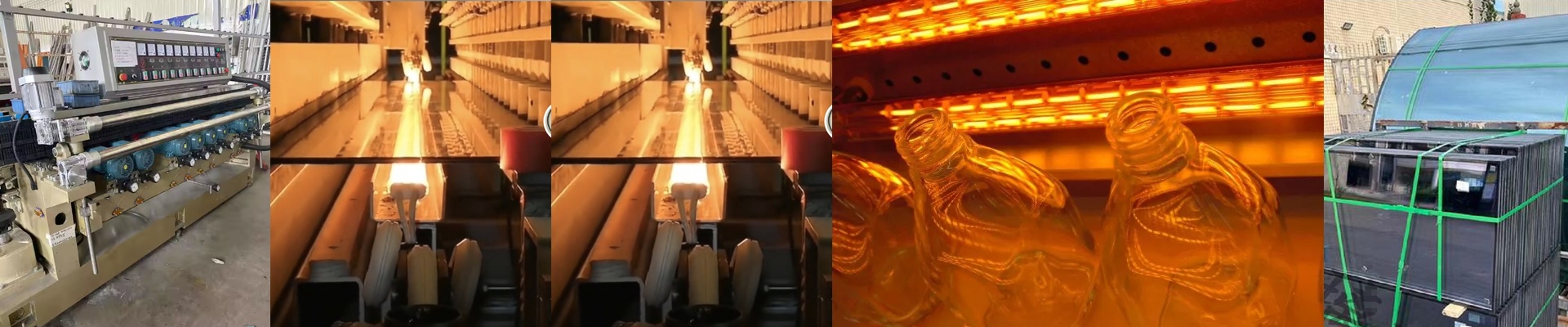
We don’t do one-size-fits-all here. We build infrared dryers that are custom-cut for the reality of glass paint drying on your screen printing lines. The whole point is simple: get your ink cured fast and even—without forcing you to tear apart the line to make it fit.
Why the specs actually matter
On glass, speed isn’t optional. If the ink doesn’t flash and cure quickly, your line pace drops and you start losing time you can’t afford. So we match the voltage and wattage to the real thermal load—what the glass substrate and the ink profile actually demand. The length? We cut it to the exact dwell time and zone width you need, so you’re not carrying dead space. That’s how we save up to 40% on footprint. Not by adding extra length “just in case.” By engineering the unit to your process window, period.
The choices that make it work
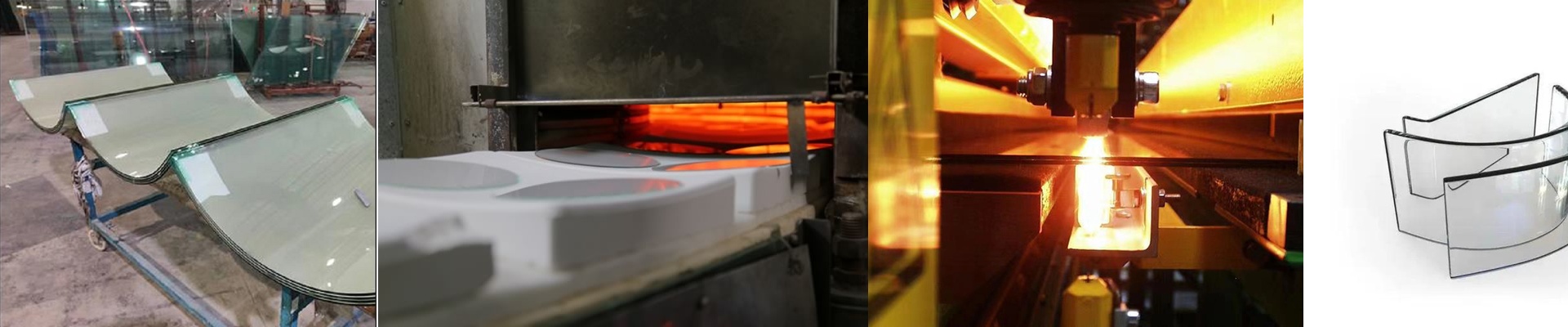
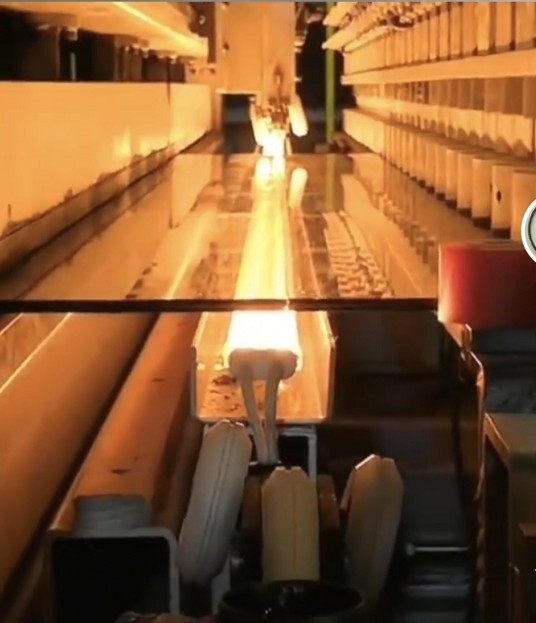
The quartz tube is halogen-filled and shortwave, because you need heat that responds instantly and hits hard. And that coating isn’t there to look good. It tunes the spectral output so it lines up better with how the glass paint absorbs energy. More of the heat goes where it’s needed. Less gets wasted on the conveyor or frame. For the terminals, we go with the R7s connector. It’s a workhorse in high-temp situations—handles the current cleanly and gives you a connection that stays reliable even when things expand and contract. We build the whole thing as one integrated module. Wire it up once, and you stop chasing mismatches out in the field.
What it feels like on the line
On the glass line, the dryer throws a direct thermal punch at the ink—without overheating the glass itself. That means you get a consistent cure across the entire print. Fewer rejects from tacky spots or uneven drying. And because the layout is integrated, the unit takes up up to 40% less floor space. That frees up room, and it makes maintenance access way easier.
The trade-off you should plan for
Packing this much heat into a compact unit does raise the local ambient temperature. So your machine’s cooling and ventilation need to be sized for it. Plan the airflow and give the dryer some thermal isolation. That’s the real industrial trade-off: you maximize heat density inside, and you manage the heat that spills out around it.